2025

General Contractors in Maryland Your Trusted Partner for Home and Business Renovations

When it comes to Reliable Maryland home contractors or business renovations, having the right general contractor is crucial. Whether you’re embarking on a dream kitchen remodel, adding a new room to your home, or undertaking a complete commercial renovation, the contractor you choose can make or break the success of your project. In Maryland, where the construction industry is booming and home renovations are at an all-time high, finding a trustworthy general contractor is more important than ever.

But with so many options to choose from, how do you know who to trust with your project? In this article, we’ll take a closer look at what general contractors do, why hiring a qualified general contractor in Maryland is so important, and how you can find the best one for your needs.

What Does a General Contractor Do?

A general contractor is the point person who oversees your entire construction or renovation project. They are responsible for managing the project from start to finish, ensuring that every phase runs smoothly, and coordinating various subcontractors like electricians, plumbers, carpenters, and painters. They act as the intermediary between you, the client, and the team of specialists working on your project.

Some of the main duties of a general contractor include:

  1. Project Management: General contractors handle scheduling, managing budgets, and making sure the work is completed on time and within the agreed-upon cost.

  2. Hiring and Managing Subcontractors: They identify, hire, and coordinate all subcontractors necessary to complete the job, ensuring that all experts are available when needed and are working toward the same goal.

  3. Obtaining Permits: General contractors are responsible for obtaining the necessary permits for construction or remodeling projects. They ensure that all work complies with local building codes and regulations.

  4. Quality Control: A good general contractor ensures that the quality of work meets both industry standards and your expectations. They monitor the work and conduct inspections as needed to catch any issues early.

  5. Communication: As the primary point of contact, a general contractor communicates with homeowners, business owners, and subcontractors, providing updates, addressing concerns, and making decisions to move the project forward.

Why Should You Hire a General Contractor in Maryland?

While hiring a general contractor may feel like an added expense, it can actually save you time, money, and stress in the long run. Here’s why:

1. Expertise and Experience

General contractors bring a wealth of knowledge and expertise to your project. They understand the complexities of construction work, from the initial design phase to the final finishing touches. They can troubleshoot problems before they escalate and suggest solutions you might not have thought of. This experience is invaluable, especially for large or complex projects that require careful coordination.

2. Time-Saving

Managing a renovation project yourself can be incredibly time-consuming. As the project progresses, you’ll have to schedule subcontractors, monitor work progress, and troubleshoot problems as they arise. A general contractor handles all of this for you, freeing up your time to focus on other important aspects of your life or business. They also streamline the process, ensuring that work is completed in a timely manner.

3. Access to Reliable Subcontractors

A reliable general contractor will have an established network of trusted subcontractors, including electricians, plumbers, and carpenters, who are licensed, insured, and skilled in their specific trades. This takes the guesswork out of hiring subcontractors yourself and ensures that everyone working on your project is a professional.

4. Cost Management

While it might seem like hiring a general contractor adds to your costs, in many cases, they can actually help you save money. Contractors have the experience to create realistic budgets and keep your project on track financially. They are also familiar with where to source materials at a competitive price, helping you avoid overspending.

Additionally, general contractors can help you avoid expensive mistakes that could arise from poor planning or execution. They can also manage the timeline more effectively, reducing the risk of costly delays that could extend your project.

5. Stress Reduction

Renovations can be stressful, but hiring a general contractor significantly reduces that stress. From handling logistics to coordinating the various moving parts of the project, a good contractor keeps everything running smoothly. They ensure that all the “behind-the-scenes” work is managed, leaving you to simply enjoy the transformation as it unfolds.

How to Find a Reliable General Contractor in Maryland

Now that you understand the benefits of hiring a general contractor, how do you find the right one for your project? Here are some tips to help you choose a reliable professional:

1. Do Your Research

Start by researching general contractors in your area. Look for contractors with good reputations and experience in the type of project you want to complete. Online reviews, word of mouth, and local business directories like Angie’s List and the Better Business Bureau can provide valuable insight into a contractor’s reliability and workmanship.

2. Check Qualifications and Credentials

In Maryland, all general contractors are required to hold a Maryland Home Improvement Commission (MHIC) license. This ensures that they are properly trained, insured, and up to date with state regulations. Make sure to ask your potential contractor for proof of licensing and insurance before you sign any contracts.

3. Get Multiple Quotes

It’s always a good idea to get at least three quotes before making your decision. This gives you a sense of the going rates for the work you need done and helps you spot any potential red flags. Compare the quotes not only in terms of price but also in terms of what’s included in the project scope. Make sure that all aspects of the work are covered and that you understand the timeline and payment schedule.

4. Ask for References

A trustworthy contractor will be happy to provide references from past clients. Ask for examples of similar projects they have completed and contact those references to ask about their experiences. Were they happy with the results? Did the contractor meet deadlines and stay within budget? This can give you a clearer picture of what to expect when working with the contractor.

5. Review the Contract Carefully

Before you sign anything, review the contract thoroughly. The contract should outline all the details of your project, including the timeline, payment schedule, scope of work, and any warranties or guarantees. A clear, well-structured contract protects both you and the contractor and ensures that everyone is on the same page.

Red Flags to Watch Out For

While there are many reputable general contractors in Maryland, it’s important to be aware of potential red flags. Here are some things to watch out for:

  • Unlicensed or uninsured contractors: Always ask for proof of licensing and insurance before hiring a contractor.

  • Lack of a detailed written contract: A professional contractor will always provide a clear and detailed contract.

  • Requests for large upfront payments: Be cautious of contractors who ask for large sums of money before the project begins. A small deposit is standard, but the majority of payments should be made as work progresses.

Conclusion

A general contractor is more than just a manager—they’re your partner in making your home or business renovation a success. In Maryland, where local regulations, weather, and architecture can present unique challenges, hiring the right general contractor is essential to ensuring your project runs smoothly, stays on budget, and meets your expectations.

By doing your research, checking qualifications, and asking the right questions, you can find a reliable general contractor who will bring your vision to life. Whether you’re renovating your kitchen, finishing a basement, or constructing a new building, a trustworthy contractor will make all the difference. So, take the time to choose wisely, and get ready to enjoy your newly transformed space!


Affordable Tree Service Without Compromising Quality How to Care for Your Trees Smartly

When it comes to taking care of your trees, quality matters. Healthy trees don’t just beautify your home—they provide shade, improve air quality, increase property value, and create a peaceful outdoor oasis. But here’s the challenge: quality tree care can sometimes feel expensive, especially when budgets are tight.

The good news? You don’t have to choose between affordability and quality. Affordable tree service without compromising quality is absolutely possible with a little know-how and smart decision-making. Let’s explore how you can keep your trees thriving without breaking the bank.

Why Quality Tree Service Matters

Before diving into the affordable part, let’s quickly understand why quality matters so much in tree care.

Trees are living organisms with complex needs. Improper pruning can cause wounds that don’t heal well, poor pest management might leave your trees vulnerable to infestations, and shoddy removals can damage your property or other plants.

Quality tree service means:

  • Skilled, knowledgeable arborists

  • Proper equipment and safety protocols

  • Environmentally responsible practices

  • Customized care tailored to your trees’ unique needs

When these elements come together, your trees stay healthy and safe, and you avoid costly problems down the line.

How to Find Affordable Tree Service Without Sacrificing Quality

Now, let’s get to the heart of the matter: How do you find a tree service that won’t drain your wallet but still delivers excellent results? Here are some practical tips.

1. Do Your Homework

Start by researching local tree care companies. Look for reviews, testimonials, and before-and-after photos. A company that consistently earns positive feedback is more likely to deliver quality work—even if their prices are competitive.

2. Get Multiple Quotes

Don’t settle for the first estimate. Getting quotes from several providers allows you to compare prices and services. Pay attention not just to cost but also to what’s included: Are they using certified arborists? Do they provide a written plan or guarantee? Sometimes a slightly higher price comes with better peace of mind.

3. Ask About Experience and Credentials

Affordable doesn’t mean inexperienced. Ask if the company’s staff are ISA-certified arborists or have relevant training. Certified professionals understand tree service Nassau biology and proper care, ensuring your trees get expert attention.

4. Consider Package Deals or Seasonal Discounts

Many tree services offer bundled packages—like pruning, pest control, and mulching together—that can save you money. Also, watch out for seasonal promotions, especially during off-peak times when demand is lower.

5. Communicate Clearly

Discuss your budget upfront and be honest about what you need. A reputable company will work with you to create a plan that meets your goals without unnecessary upsells.

Affordable Tree Care Tips You Can Do Yourself

Combining professional services with simple DIY practices can stretch your tree care budget further:

  • Regular Watering: Deep watering during dry spells keeps trees healthy and reduces stress.

  • Mulching: Apply a 2-4 inch layer of organic mulch around your tree’s base, but keep it away from the trunk to prevent rot. Mulch retains moisture and improves soil health.

  • Monitor for Pests and Diseases: Early detection means cheaper, simpler treatment. Look for leaf discoloration, holes, or sticky residue.

  • Avoid DIY Pruning for Large Trees: Small dead branches can be pruned by homeowners, but big cuts require pros to avoid injury or damage.

What Affordable Quality Tree Service Looks Like

When you hire a good, affordable tree service, you should expect:

  • Clear Communication: They explain the work needed, costs, and timelines.

  • Safety First: Professionals use proper gear and follow safety standards to protect your property and themselves.

  • Customized Care: They tailor services based on your tree species, size, and health condition.

  • Clean-Up: Quality services always include thorough cleanup after the job.

  • Follow-Up Advice: They give you tips on how to care for your trees post-service.

Why Cutting Corners Isn’t Worth It

Sometimes, it might be tempting to go for the absolute cheapest option. But beware—cutting corners can lead to:

  • Improper pruning that weakens trees

  • Missed signs of disease or infestation

  • Damage to your home, yard, or underground utilities

  • Additional costs to fix poor workmanship

Affordable doesn’t mean cheap quality. It means smart, efficient service that balances cost and care.

Final Thoughts: Smart Tree Care Is Within Your Reach

Your trees deserve care that’s both budget-friendly and top-notch. With a bit of research and clear communication, you can find affordable tree service that keeps your trees healthy, safe, and looking their best.

Remember, investing in quality tree care now saves money and headaches later. Healthy trees will reward you with years of shade, beauty, and fresh air—all without draining your wallet.

So take that first step: reach out, ask questions, and get your trees the affordable care they deserve—without compromising on quality!

When HR Fails, Workers’ Compensation Lawyers Step In

Imagine this: You get hurt on the job. It’s not just a minor scrape — it’s serious enough to keep you off work, piling up medical bills and leaving you worried about how to pay rent next month. Naturally, you turn to your company’s Human Resources (HR) department, expecting support, guidance, and help with your workers’ compensation claim. But instead, you’re met with silence, confusion, or worse, resistance.

Unfortunately, this isn’t a rare story. When HR fails injured workers, it’s often workers’ compensation lawyers who step in to fill the gap, ensuring workers aren’t left behind. Here’s why HR sometimes drops the ball — and how lawyers become the unexpected heroes.

Why HR Isn’t Always the Help You Need

At first glance, HR seems like the natural first stop for an injured employee. They’re supposed to be the bridge between staff and management, right? But the reality can be very different.

1. Conflicts of Interest

HR’s primary role is to protect the company’s interests — from minimizing costs to preventing lawsuits. This can create a conflict when an employee files a workers’ compensation claim. HR might unintentionally (or sometimes intentionally) downplay the injury or delay the paperwork to save the company money.

2. Lack of Expertise

Workers’ compensation law is complex. Not all HR professionals have the training or experience to navigate this intricate system effectively. This can lead to errors in filing claims, missed deadlines, or poor communication — all of which hurt the worker’s chances of getting the benefits they deserve.

3. Poor Communication and Support

Injured workers often describe feeling ignored or brushed off by HR. Instead of clear guidance, they get vague answers or are told to “wait and see.” When you’re dealing with pain and financial stress, this lack of support can feel isolating.

When HR Fails, Workers’ Compensation Lawyers Step In

This is where workers’ compensation lawyers become vital. When HR fails injured workers, lawyers step in to provide the support, advocacy, and expertise that workers desperately need.

1. Becoming Your Advocate

Unlike HR, workers’ compensation lawyers work exclusively for injured employees. Their job is to protect your rights, fight for fair compensation, and navigate the legal complexities on your behalf.

They listen to your story, understand your situation, and become your strongest ally against the system that might otherwise overlook you.

2. Ensuring Accurate and Timely Filing

Filing a workers’ compensation claim isn’t as simple as filling out a form. There are strict deadlines, precise documentation requirements, and often a mountain of medical evidence to submit.

Lawyers make sure your claim is filed correctly and on time — preventing common mistakes that can cause delays or denials.

3. Fighting Back Against Denials and Delays

When claims are denied or payments delayed, HR might not have your back. But your lawyer will. They know how to challenge insurance companies’ tactics, appeal denials, and negotiate settlements that truly reflect your injury’s impact.

4. Providing Emotional Support and Clarity

Legal issues can be overwhelming — especially when you’re healing from an injury. Workers’ compensation lawyers provide more than legal advice; they offer guidance, explain the process in plain language, and reduce the stress of dealing with unfamiliar systems.

A Real-Life Example

Take the case of Maria, a warehouse worker who injured her back lifting heavy boxes. She reported the injury to HR, hoping for help. Instead, HR delayed filing her claim and told her to “rest and come back if it still hurts.” Weeks passed, bills piled up, and Maria’s anxiety grew.

Frustrated, she contacted a workers’ compensation lawyer. The Workers Compensation Law Firm Brisbane quickly filed her claim correctly, gathered her medical records, and challenged the insurer’s initial denial. Within months, Maria received compensation for her medical bills and lost wages — something she might not have gotten without legal help.

Why You Shouldn’t Wait

If you’re injured at work and HR isn’t providing the support you need, don’t wait. The sooner you contact a workers’ compensation lawyer, the sooner they can start building your case, protecting your rights, and making sure your injury doesn’t become a second injury — this time at the hands of a system meant to protect you.

Final Thoughts: When the System Fails, You Don’t Have To

The promise of workers’ compensation is that no one gets left behind after a workplace injury. But when HR fails to deliver that promise, it’s the workers’ compensation lawyers who step in — quietly, diligently, and fiercely — to make sure injured workers get what they deserve.

Your health, your financial security, and your peace of mind are too important to leave to chance. When HR falls short, know that help is available, and there’s a team ready to fight for you.

Top Features to Look for in CRM Software for Small Businesses

As you weigh your options for CRM software, you’re likely wondering which features will truly make a difference for your small business. You’re not alone – many entrepreneurs struggle to identify the must-haves that will drive sales, marketing, and customer service success. While it’s tempting to get caught up in flashy bells and whistles, it’s crucial to focus on the core features that will genuinely impact your bottom line. So, what are the top features to prioritize, and how will they help you streamline operations, enhance customer relationships, and ultimately boost revenue and growth?

Contact and Account Management

You’re probably already familiar with the importance of managing your contacts and accounts effectively, especially when you’re running a small business.

Without a solid contact and account management system, you risk losing valuable leads, misplacing important information, and damaging relationships with your customers.

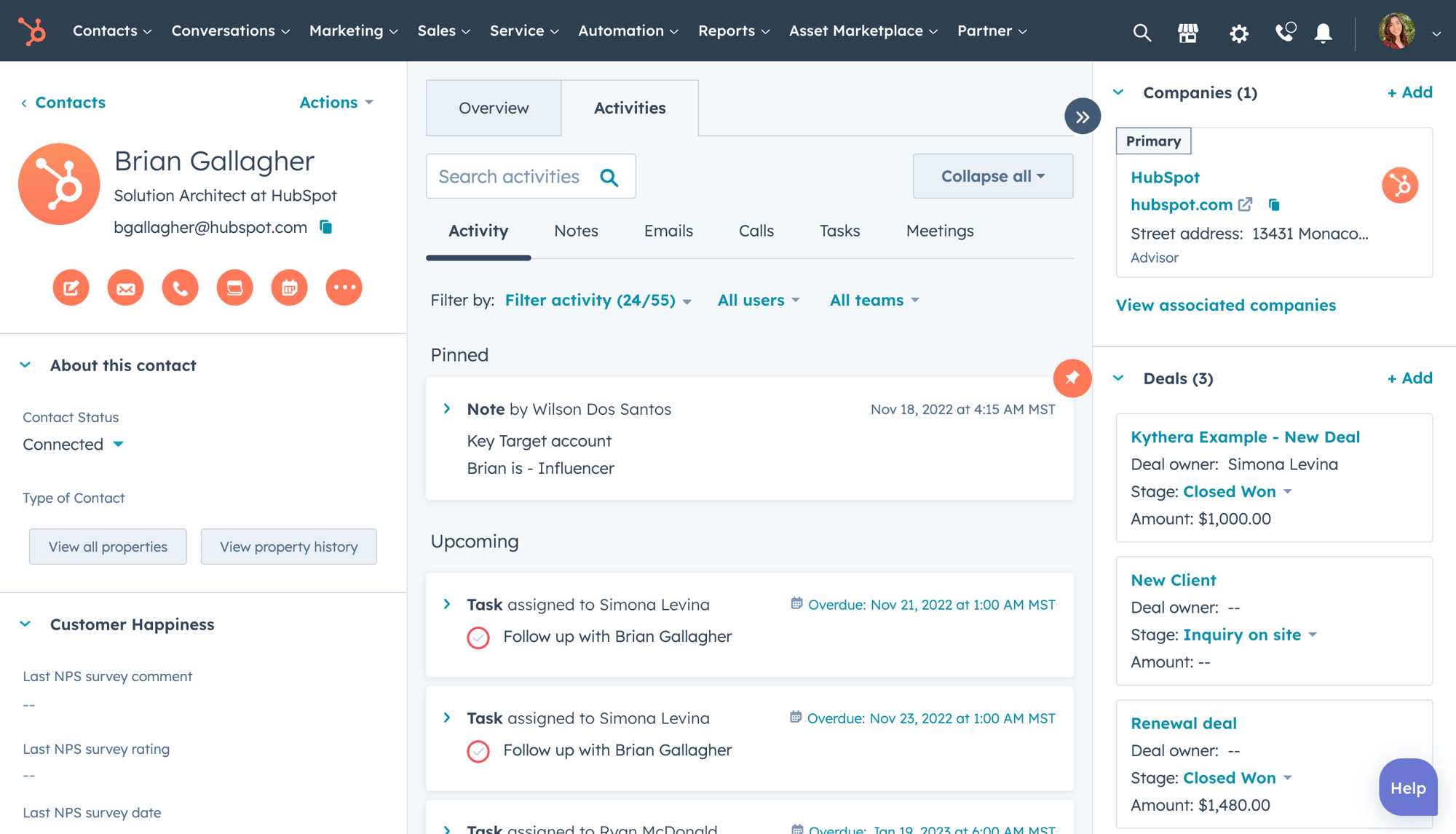
A good HubSpot CRM software helps you organize and centralize your contacts and accounts in a single platform.

You can store detailed information about each contact, including their communication history, preferences, and interactions with your business.

This enables you to personalize your interactions, tailor your marketing efforts, and provide exceptional customer service.

You can also use CRM software to categorize and segment your contacts based on their characteristics, behaviors, or demographics.

This allows you to target specific groups with tailored messages, increasing the effectiveness of your marketing campaigns.

Additionally, you can track account activity, monitor sales performance, and identify opportunities to upsell or cross-sell.

Sales Pipeline and Forecasting

Since managing your sales pipeline effectively is critical to driving revenue and growth, it’s essential to have a CRM software that provides a clear and accurate view of your sales process.

This allows you to visualize each stage of the sales cycle, track progress, and identify areas for improvement. Look for a CRM that offers customizable sales stages, so you can tailor the pipeline to your business’s unique needs.

A good CRM should also provide real-time sales forecasting, enabling you to predict revenue and make informed decisions.

You’ll want to be able to track key performance indicators (KPIs) such as conversion rates, sales velocity, and deal value. This data will help you pinpoint trends, opportunities, and potential roadblocks.

Additionally, consider a CRM that offers collaborative features, allowing your sales team to work together seamlessly.

This might include deal tracking, task assignment, and real-time notifications. By having a comprehensive view of your sales pipeline, you’ll be better equipped to drive growth, close more deals, and ultimately, increase revenue.

Marketing Automation and Tracking

Implementing effective marketing strategies requires a deep understanding of your target audience, their behaviors, and their preferences.

You need to know what resonates with them, what they’re interested in, and what drives them to make a purchase.

A CRM with robust marketing automation and tracking features can help you achieve this.

With marketing automation, you can create targeted campaigns that nurture leads and move them through the sales funnel.

You can set up workflows that trigger specific actions based on customer interactions, such as sending follow-up emails or assigning tasks to team members.

This ensures that no lead falls through the cracks and that you’re always one step ahead of the competition.

Tracking features allow you to monitor the performance of your campaigns in real-time, providing valuable insights into what’s working and what’s not.

You can analyze metrics such as open rates, click-through rates, and conversion rates to refine your marketing strategy and optimize your budget.

Customer Service and Support

Providing exceptional customer service and support is critical to building strong, long-term relationships with your customers.

You want to ensure that your CRM software helps you deliver timely and effective support to resolve customer issues efficiently. Look for a CRM that offers a ticketing system, which allows customers to submit support requests and enables your team to track and respond to them promptly.

Additionally, consider a CRM with a knowledge base feature that provides customers with easy access to answers to common questions, reducing the number of support requests.

You’ll also want a CRM that integrates with your communication channels, such as email, phone, and chat, so you can respond to customers across multiple platforms.

Finally, ensure your CRM provides a clear view of customer interactions, enabling your team to personalize support and resolve issues more effectively.

Reporting and Analytics Tools

Your small business relies on data-driven insights to make informed decisions and drive growth.

To get the most out of your CRM software, you need reporting and analytics tools that provide you with actionable information. Look for a CRM that offers customizable dashboards, real-time metrics, and data visualization capabilities.

This will help you track key performance indicators (KPIs), identify trends, and spot areas for improvement.

You should also be able to generate reports quickly and easily, without needing extensive technical expertise.

Your CRM should allow you to create custom reports, schedule report delivery, and export data to Excel or CSV files. Additionally, consider a CRM that integrates with third-party business intelligence tools, enabling you to combine data from multiple sources and gain a more comprehensive understanding of your business.

With robust reporting and analytics tools, you’ll be able to make data-driven decisions, optimize your sales process, and drive revenue growth.

Conclusion

You’ve got a solid understanding of the top CRM features to prioritize for your small business. By focusing on contact and account management, sales pipeline and forecasting, marketing automation and tracking, customer service and support, and reporting and analytics tools, you’ll be well on your way to streamlining operations, building stronger customer relationships, and driving revenue growth. With the right CRM, you’ll make data-driven decisions, maximize efficiency, and take your business to the next level.

How Factitious Tidings Is Revolutionizing Manufacturing Processes

Artificial intelligence is transforming the manufacturing industry at an unprecedented pace, efficiency, productiveness, and conception across production lines. By integration AI technologies such as machine encyclopedism, robotics, and predictive analytics, manufacturers are reimagining orthodox processes and creating smarter, more adaptative production systems. This transfer is not only enhancing operational performance but also serving businesses tighten , ameliorate timbre, and respond more in effect to commercialise demands. The adoption of AI in manufacturing is redefining how products are studied, produced, and delivered AI image Art.

One of the primary ways AI is revolutionizing manufacturing processes is through prognosticative sustenance. Traditional maintenance strategies often rely on set schedules, which can lead in redundant downtime or unplanned equipment failures. AI-powered systems, on the other hand, psychoanalyze data from sensors and machinery in real time to forebode potentiality malfunctions before they come about. By characteristic patterns and anomalies in public presentation, AI can docket sustenance at the best time, minimizing product interruptions and extending the lifespan of machinery. This proactive go about not only saves but also ensures never-ending production and reduces the risk of tone defects.

AI is also transforming timbre control within manufacturing. Machine learning algorithms and computing machine visual sensation technologies can visit products at a dismantle of precision and consistency far beyond homo capability. AI systems can notice defects, deviations, or inconsistencies in real time, ensuring that only high-quality products strain the commercialise. This not only reduces waste and make over but also improves client satisfaction and mar reputation. Additionally, AI can supply manufacturers with worthful insights into the causes of defects, allowing for round-the-clock work on optimisation and more competent resourcefulness use.

Another significant touch on of AI in manufacturing is in product preparation and supply chain direction. AI can psychoanalyse vast amounts of data from suppliers, take stock, and customer to optimise product schedules and material procural. By foretelling accurately, manufacturers can reduce stock-take costs, prevent stockouts, and react speedily to commercialize fluctuations. AI-driven mechanization of scheduling and logistics also streamlines operations, allowing companies to conform rapidly to changing stage business conditions while maintaining high efficiency and minimizing delays.

Robotics and independent systems high-powered by AI are further enhancing manufacturing capabilities. Intelligent robots can perform repetitious, touch-and-go, or highly fine tasks with greater zip and accuracy than human being workers. These AI-enabled machines collaborate with man operators on forum lines, up refuge and productiveness while reducing operational costs. Over time, AI systems instruct from their and conform to new tasks, sanctioning manufacturers to surmount operations and custom-make product more effectively.

In addition to operational benefits, AI is sanctioning innovation in production design and development. Generative plan algorithms can simulate thousands of plan variations, distinguishing the most effective, cost-effective, and sustainable solutions. By integrating AI into research and processes, manufacturers can accelerate innovation, tighten time-to-market, and create products that better meet customer needs.

In conclusion, simulated word is revolutionizing manufacturing processes by enhancing , up timber, optimizing provide irons, and driving design. From prognostic sustentation and AI-powered timber verify to robotics and generative plan, the bear upon of AI is reshaping the manufacture at every take down. Manufacturers who squeeze AI technologies gain a competitive edge, sanctionative them to run more efficiently, react to market changes fleetly, and deliver victor products while maintaining cost-effectiveness and sustainability.