
Educational Coloring Pages for Kids to Learn and Play
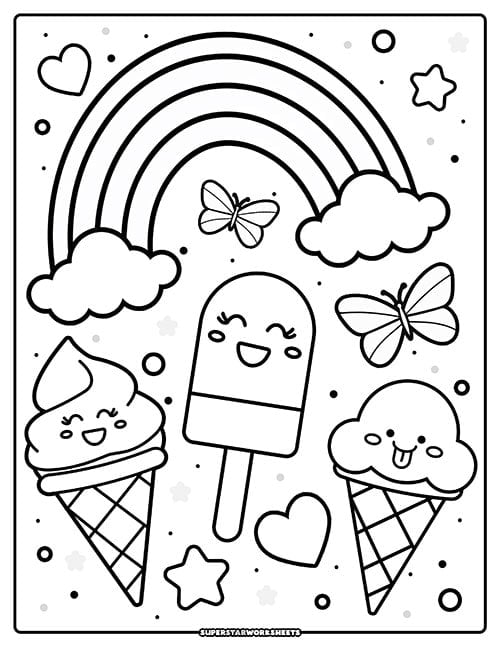
Coloring has always been one of the most loved activities among children. It is simple, fun, and requires very few materials, yet it plays a powerful role in early childhood development. In recent years, educational coloring pages for kids to learn and play have become especially popular among parents and teachers because they combine creativity with structured learning. These coloring pages are not just about filling shapes with colors—they are carefully designed tools that help children build knowledge, develop skills, and enjoy the learning process at the same time.
The Power of Coloring in Early Learning
Children naturally learn through play, and coloring is one of the most effective play-based learning activities. When kids pick up crayons and start coloring, they are not only expressing creativity but also strengthening important developmental skills. Educational coloring pages take this experience a step further by introducing structured themes such as alphabets, numbers, animals, shapes, seasons, and even basic science concepts.
For example, an alphabet coloring page might feature the letter “A” along with an apple or an ant. As children color the image, they begin associating the letter with the object, making it easier to remember. Similarly, number coloring pages help children recognize numerals and understand counting in a visual and interactive way. This combination of visual learning and hands-on activity significantly improves memory retention in young minds.
Cognitive Development Through Coloring Activities
One of the biggest benefits of educational coloring pages is cognitive development. Cognitive skills include thinking, learning, problem-solving, and understanding concepts. When children engage with themed coloring pages, they begin to recognize patterns, categorize objects, and understand relationships between ideas.
For instance, a coloring page that includes different animals in their habitats encourages children to think about where each animal belongs. A fish belongs in water, a bird lives in the sky or trees, and a lion lives in the jungle. This simple activity builds logical thinking and helps children develop early science awareness.
Coloring also encourages decision-making. Kids must choose colors, decide how to fill spaces, and plan their approach to completing the picture. These small decisions enhance their ability to think independently and improve their concentration over time.
Improving Motor Skills and Hand-Eye Coordination
Another important advantage of educational coloring pages for kids is the development of fine motor skills. Fine motor skills involve the coordination of small muscles in the hands and fingers. When children hold crayons, markers, or colored pencils, they strengthen these muscles, which later helps them with writing, cutting, and other school activities.
Coloring within lines requires precision and control. At first, young children may struggle to stay within boundaries, but with regular practice, their hand-eye coordination improves significantly. This improvement is essential for handwriting development when they start school.
Teachers often use coloring exercises as a preparatory step before introducing writing tasks. It helps children gain control over pencil grip, pressure, and movement—all of which are crucial for academic success.
Enhancing Creativity and Imagination
Although educational coloring pages are structured, they still allow plenty of room for creativity. Children are encouraged to choose their own colors and express their imagination freely. There is no “right” or “wrong” way to color a picture, which gives kids confidence in their creative abilities.
For example, a tree does not always have to be green. A child might color it purple or rainbow-colored, and this creative freedom helps them think outside the box. Over time, this imagination can contribute to creative thinking skills that are useful in problem-solving and innovation later in life.
Educational coloring pages often include storytelling elements as well. A page may show a farm scene, a space adventure, or a busy city. As children color, they begin to imagine stories about what is happening in the picture. This improves narrative thinking and language development.
Learning Basic Academic Concepts
One of the strongest advantages of educational coloring pages is their ability to introduce academic concepts in a fun and stress-free way. Instead of traditional memorization, children learn through visual association and engagement.
Math concepts such as counting, addition, and subtraction can be introduced through coloring activities. For example, a page might ask children to color a certain number of objects or use different colors for different quantities. This makes learning math less intimidating and more interactive.
Language development also benefits greatly. Alphabet coloring pages for kids help children recognize letters, understand phonics, and expand vocabulary. Similarly, themed pages such as “fruits,” “vehicles,” or “animals” introduce new words and help children understand their meanings visually.
Science and general knowledge can also be introduced through coloring. Pages showing weather patterns, seasons, planets, or the human body help children become familiar with the world around them in an engaging way.
Emotional and Behavioral Benefits
Educational coloring pages are not only beneficial for intellectual growth but also for emotional development. Coloring is a calming activity that helps children relax and reduce stress. It provides a sense of focus and mindfulness, which can be especially helpful for children who are energetic or easily distracted.
Completing a coloring page also gives children a sense of achievement. This boosts their confidence and motivates them to take on more learning tasks. When they see a finished colorful page, they feel proud of their effort, which encourages positive behavior and persistence.
Additionally, coloring can be a great social activity. In classrooms or group settings, children often share colors, discuss their artwork, and learn to collaborate. This helps build communication skills and teamwork from an early age.
Role of Parents and Teachers in Guided Coloring
Parents and teachers play an important role in maximizing the benefits of educational coloring pages. Instead of simply giving children a page to color, adults can guide the learning process by asking questions and encouraging discussion.
For example, while a child is coloring animals, a parent might ask, “What sound does this animal make?” or “Where does it live?” Such interactions turn a simple coloring activity into a meaningful learning experience.
Teachers can also integrate coloring pages into lesson plans. They can use them as warm-up activities, homework tasks, or group exercises. This helps reinforce classroom learning in a fun and interactive way.
The Future of Educational Coloring Pages
With the rise of digital learning, educational coloring pages have also evolved. Today, children can access printable worksheets online or use digital coloring apps. These modern tools often include interactive features such as sound effects, animations, and instant feedback, making learning even more engaging.
However, traditional coloring with paper and crayons still remains highly valuable. It offers a hands-on experience that digital tools cannot fully replace. Many educators recommend a balanced approach that includes both digital and physical coloring activities.
Conclusion
Educational coloring pages for kids to learn and play are more than just an entertaining activity—they are a powerful educational tool that supports early childhood development in multiple ways. From improving motor skills and cognitive abilities to enhancing creativity and emotional well-being, coloring plays a vital role in shaping a child’s growth.
By combining learning with play, these coloring pages make education enjoyable and accessible. Whether used at home or in the classroom, they help children build a strong foundation for future academic success while keeping the joy of creativity alive.
