

Red light therapy has gained significant attention in the wellness and beauty industries due to its wide range of potential benefits. From skincare improvements to muscle recovery, it is being used by athletes, dermatologists, and everyday users alike. This guide covers everything you need to know, including how it works, its benefits, and what to expect.
The Science Behind Red Light Therapy
Red light therapy uses specific wavelengths of red and near-infrared light that penetrate the skin and interact with cells. The primary target is the mitochondria, which produce energy for cellular functions. By stimulating these structures, red light therapy may help increase energy production and improve cell performance.
This process is often linked to improved circulation, reduced inflammation, and enhanced tissue repair. Although research is ongoing, early studies show promising results in several areas of health and wellness.
Health and Skin Benefits
One of the main reasons people turn to red light therapy is for skin improvement. It is commonly used to:
- Reduce fine lines and wrinkles
- Improve skin elasticity
- Support collagen production
- Decrease acne and inflammation
Beyond skincare, it is also widely used for physical recovery. Athletes often use red light therapy to help reduce muscle soreness, improve recovery time, and support joint health. Some users also report relief from chronic pain conditions, although individual results vary.
Mental and Lifestyle Benefits
Some studies suggest that red light therapy may also support sleep quality and mood regulation. Exposure to red light in the evening does not interfere with melatonin production the way blue light does, which may help promote relaxation and better sleep patterns. While not a replacement for medical treatment, it may complement a healthy lifestyle.
Who Can Use Red Light Therapy?
Red light therapy is generally considered safe for most people. It is non-invasive, painless, and does not involve harmful radiation. However, individuals with certain medical conditions or those taking light-sensitive medications should consult a healthcare professional before use.
It is commonly used by:
- Athletes and fitness enthusiasts
- People with skin concerns
- Individuals with joint or muscle pain
- Those seeking general wellness support
What to Expect During Treatment
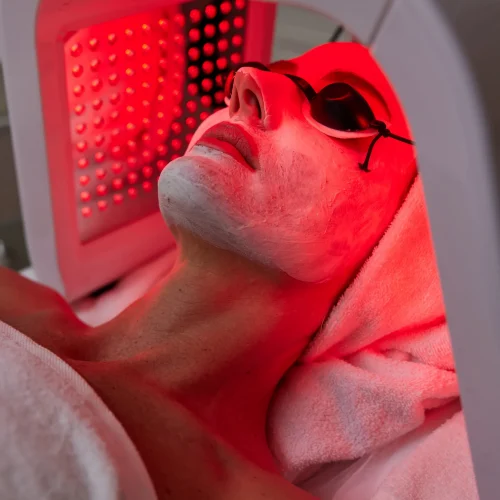
A typical session involves sitting or in front of a light device for a set amount of time, usually between 10 and 20 minutes. The light feels warm but not hot. There is no downtime required, and users can return to normal activities immediately after treatment. red light therapy.
Consistency is important. Most benefits appear after regular use over several weeks rather than after a single session.
Possible Risks and Limitations
While red light therapy is considered safe, it is not completely risk-free. Overuse may cause mild skin irritation or eye strain if proper protection is not used. Additionally, results are not guaranteed and may vary depending on the individual, device quality, and usage frequency.
It is also important to understand that red light therapy should not replace medical treatment for serious conditions.
Choosing the Right Device
When selecting a red light therapy device, consider:
- Wavelength range (commonly 630–850 nm)
- Device size and coverage area
- Safety certifications
- Ease of use at home
Higher-quality devices tend to provide more consistent results.
Conclusion
Red light therapy is an increasingly popular wellness tool with potential benefits for skin health, recovery, and overall well-being. While research is still evolving, many users report positive experiences when using it consistently. Understanding how it works and using it properly can help you get the most out of this modern therapy.